

Methodology
How we verify AI income claims
Online income claims are easy to make and hard to check. Screenshots can be edited, results can be cherry-picked, and the person making the claim is often selling something. Every AI income claim we review ends as grade A, B or C, or is rejected. This page explains the standard behind each grade, step by step, so you can judge our work and apply the same tests yourself.
Key takeaways
- A (Verified), B (Reported, not independently verified) andC (Not verified) are our only grades. A claim can also be rejected. Rejected claims are never published.
- Only A and B cases are currently listed publicly. C cases are held until the reply deadline passes; after that, they may be published with the label "Not verified."
- For every published case, every figure carries a label that says how strong its evidence is. We never present a self-reported figure as verified.
- A grade covers one specific, dated claim. It is not a recommendation of a person, company, or method.
- "Not verified" does not mean "false." It means we could not confirm the claim with the evidence available.
- Payment, sponsorship, and affiliate deals never affect a grade. We correct errors openly.
Our core rules
- Every income figure must cite a source.
- Every income figure must be reviewed by our fact-checker before publishing.
- Figures must state what they measure, including the period and whether costs are included.
- We never invent examples, people, companies, or numbers.
- We never present a single result as typical.
The chain: person, income, AI role
We check three links. The final grade can be no higher than the weakest one.
- Person. Is this a real, identifiable person or company, with a public history?
- Income. What is the figure, what does it measure, for what period, in what currency, and who confirms it?
- AI role. What does AI actually do in the product or workflow? A passing mention is not enough.
For example, a well-documented founder with a concrete AI product but an unconfirmed income figure cannot be graded A.
What each grade means
| Grade | Label | What it means |
|---|---|---|
| A | Verified | Real, identifiable person or company with a public history. The income is documented by a third party or is traceable, for example a payment-provider dashboard such as a Stripe-verified TrustMRR listing, public accounts, or several consistent posts over time. The AI role is concrete, and the figures are dated and kept apart by type (MRR, one-time, all-time). |
| B | Reported, not independently verified | Real person or company, but the income is self-reported, for example in one post, one screenshot or one interview, without independent confirmation. No red flags, the figures are plausible for the product and timeline, and the AI role is clear. |
| C | Not verified | The claim comes from a credible source, but the figure is not evidenced (for example an estimate, a price, a bid, or an unreachable or secondary source), or the AI role is vague, or the link to the person is weak. Labeled "Not verified." Held until the reply deadline passes; not currently listed publicly. |
Rejected is not a grade. A claim with at least one disqualifying problem (see below) is rejected and never published. There is no other status.
The criteria behind a grade
- Identifiable person or company. Named person/company with a public profile or site and enough history to identify the claimant.
- Independent confirmation. Current third-party confirmation the claimant cannot edit; expired TrustMRR keys and uncheckable press reports do not count.
- Claimant figure documented. The claimant’s income figure is supported by a source or document we reviewed.
- Defined figures and no red flags. Figures are plausible and consistent, dated, in the stated currency and period, with MRR, one-time and all-time amounts kept separate.
- Clear, concrete AI role. AI has a concrete role in the product/workflow and the income comes from that activity, not a course/coaching business.
- Public track record. The person or business has enough public history to establish continuity; a new product or a thin profile caps the grade at B.
- Figure is an estimate. The figure is a third-party estimate or a price, not reported income; an estimated figure is always C.
Reasons we reject a claim
A claim is rejected, and not published, if any of these apply:
- The person or account cannot be identified, is new, or shows spam or engagement-farm patterns.
- The income mainly comes from selling courses or coaching about "how to make money with AI."
- The figures contradict each other, a screenshot looks edited, or the timeline is impossible.
- AI has no real role.
- The source has been deleted, or the person has retracted or corrected the claim.
- The content is advertising or affiliate content without disclosure.
Manual grade overrides
A fact-checker can set a grade by hand. When they do, that grade is shown everywhere on the site and the reason is recorded with the case.
What counts as evidence
We look for primary evidence. Strong examples include:
- Payout or settlement statements from a payment provider or platform.
- Account dashboards viewed in a live session or exported by the account holder.
- Invoices, contracts, or bank records, with private details redacted.
- Tax filings or public accounts.
- Independent third-party data with a published method, such as a current payment-provider-verified listing.
Weak evidence includes isolated screenshots, social media posts, anonymous comments, sales pages, and testimonials without records. Weak evidence can lead us to investigate further. On its own it can never make a figure "Verified".
Some things look like confirmation but do not count:
- A TrustMRR listing whose verification key has expired.
- Press coverage we cannot check against a primary source.
- Estimates, prices per customer and bids. These are not income, so a claim built on them is graded C at most.
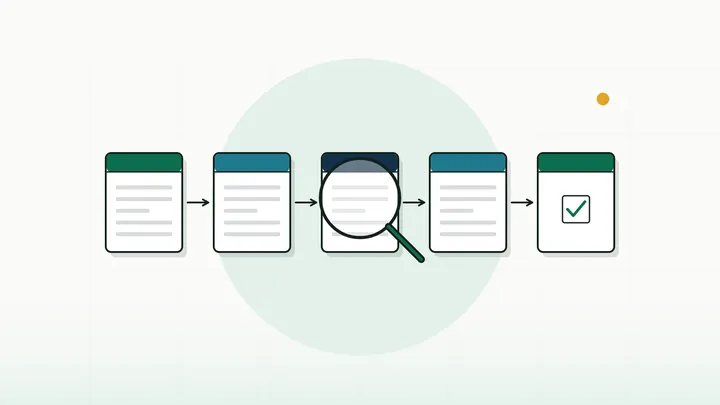
How we check a case
Our researcher and fact-checker work through the same steps for every case.
- Intake. We log the claimant, the claimed method, the figure, the period, and where it was published. At this stage nothing is accepted as true.
- Primary source opened and recorded, with URL and date. We aim to archive it.
- Source and interests. We ask who produced the claim and what they gain from it. A first-hand record is different from a retelling. A seller of courses or tools has a financial interest in impressive results. That does not make the claim false, but it raises the evidence we require.
- Identity checked: profile age, history, and cross-links such as a website, LinkedIn, or GitHub.
- Figure checked: what it measures, which period, which currency, and who confirms it.
- Consistency checked. Do dates, totals, and currencies match across documents? Do the costs and the time claimed make sense for the method? Are there signs of edited images or impossible values?
- AI role described concretely.
- Red flags reviewed against the rejection reasons above.
- Context recorded. A true number can still mislead. Where we can find it, we note starting skills, existing audience or network, hours worked, and costs.
- Grade and a one-sentence reason recorded with the case.
Where the claimant agrees, we also ask follow-up questions and look for answers that are specific and consistent.
Fact-checker review
A designated fact-checker, separate from the writer where possible, reviews the evidence against every figure in the draft. For each figure they confirm that the source is cited, that the evidence supports the exact number and wording, that the definition (revenue or profit, period) is stated, and that any limits are disclosed. They then log one of these outcomes before the case is published or shared:
| Outcome | Meaning | What happens |
|---|---|---|
| Approved | The evidence supports the figure and its wording. | The page can move toward publication. |
| Approved with changes | The figure is supported only after rewording or adding limits. | The writer revises, then the fact-checker reviews again. |
| Not approved | The evidence is missing, inconsistent, or does not support the figure. | The figure is removed. If the whole claim fails, it is rejected and not published. |
| Pending | The review is not finished. | The page stays a draft. |
How we describe income figures
Mixing up kinds of numbers is a very common way claims mislead. We keep these apart and say which one a figure is:
- Revenue or profit, and gross or net where known. Savings and growth (for example audience size) are not income.
- Monthly recurring revenue (MRR), one-time sales, or all-time totals.
- Price versus total. What one client pays is not what a business earns.
- One period versus typical. A record month is labeled as one month.
- Self-reported versus confirmed, with who confirmed it.
What a grade does not mean
- It does not predict future income, for that person or for you.
- It does not endorse a product, course, or method.
- It does not cover anything beyond the specific claim and date shown.
- A grade C or a rejection is not an accusation of fraud. It describes the evidence we could find.
Dates, re-checks, and changes
For every published case, every figure is dated. Figures can go out of date quickly, especially monthly revenue. We re-check cases when new information appears, and grades can move up or down. When a grade changes, we record the change. If a claim later fails, we correct or remove it and note the change.
Naming people and right of reply
- We cite a source for every claim we attribute to a named person or company.
- We do not guess or estimate a person's income and present it as fact.
- Before publishing critical coverage of an identifiable person, we ask them for comment where we can reach them.
- Anyone named in a case can send a reply, new evidence, or a correction request. See our right of reply and corrections policy.
Money and independence
- We may earn from affiliate links, sponsorship, or other products. These are always labeled.
- We do not accept payment for favorable coverage. No payment, sponsorship, or affiliate relationship can buy a better grade or change an outcome.
- Affiliate relationships do not influence which claims we accept.
- If we ever offer a paid review service, we will publish its terms and keep it separate from editorial grading.
Limits of our method
- We depend on public evidence. Many real incomes are private, so honest earners may stay at B or C. Privacy and legal limits can also stop us from viewing some documents.
- Records are not the whole picture. We can confirm that records exist, but cannot always confirm every cost or hidden arrangement.
- Small, non-random sample. Our database shows the claims we have reviewed, not the whole market. Do not read our case counts as market statistics.
- One result is not typical. A verified result is still one result, and past income does not predict future income.
- Human judgment. Grading involves judgment calls. We publish our reasons so you can disagree with them.
Check a claim yourself
- Who is making the claim, and what do they sell?
- Is there a primary record, not just an image?
- Is it revenue or profit, and for what period?
- What costs and hours were left out?
- Would the result hold for someone with different skills and resources?
If the answers are vague, it is reasonable to ignore the claim. Our reader checklist goes into more detail.
Report an error or submit a case
If you believe a figure on our site is wrong, tell us and we will review it under ourright of reply and corrections policy. If you have income results you can document, you may submit a case. We will ask for evidence and may decline cases we cannot verify. Submission does not guarantee publication.
Next steps
- See the method applied in AI automation agency income claims: what they show.
- Browse the graded case catalogue.
Related reading
- How people earn money with AI agents
- AI income scams: what recent FTC actions show
- Realistic AI side income models and pitfalls to avoid
Disclaimers
Not financial advice. Proof of AI Income provides information and analysis for educational purposes only. Nothing on this site is financial, investment, tax, or legal advice. Consult a qualified professional before making financial decisions.
Results vary. Income examples are not promises or predictions. Outcomes depend on skills, effort, market conditions, and many other factors. Most people will not achieve the results described in any single example.